
Review · DIOCLETIAN PALACE TOURS
Diocletian’s Palace Small Group Tour in Split
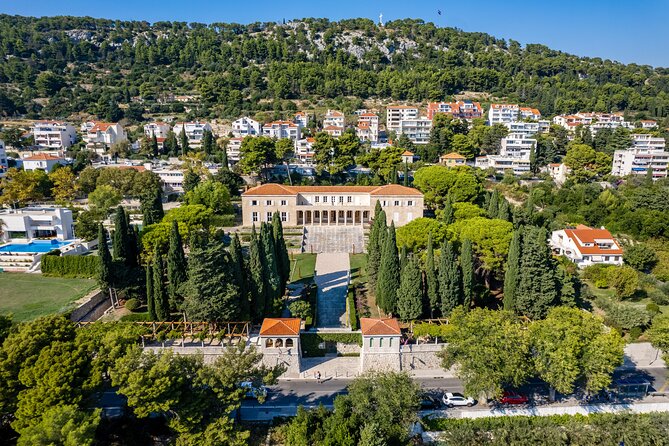
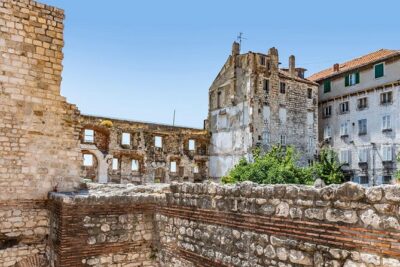
Diocletian’s Palace is not a single palace tucked inside Split. It forms about half of the old town, so a walk through its narrow lanes is a walk through the city itself, past Roman remains and buildings from much later eras. This two-hour tour gives you a guide to help make sense of that layered setting.
I like that the route links defining places, including the Peristyle, Vestibule, cellars and Golden Gate, rather than treating the palace as one grand façade. I also like the local perspective: guides such as Luka, Sandra and Jelena have been praised for clear explanations, warmth and useful tips.
One consideration: two hours goes quickly in a place this large. The tour is a useful introduction, not a substitute for lingering at every site, and cathedral tickets are not included.
What to know before you book
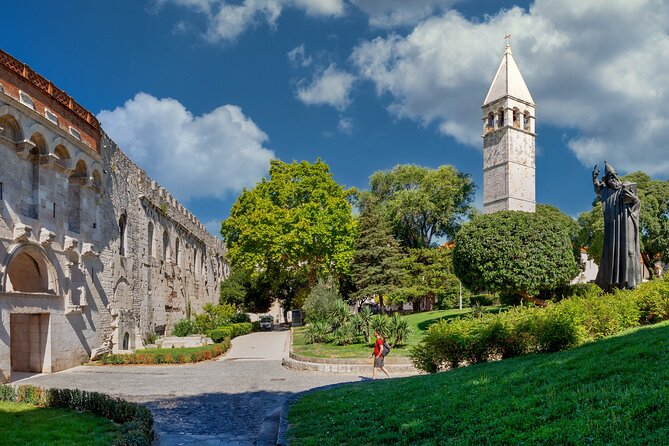
- The palace is also the old town: Diocletian’s complex makes up about half of Split’s historic center, so the walk introduces both Roman architecture and everyday city streets.
- The Peristyle is the central pause: This square was designed for imperial ceremony and is now also used for performances and urban life.
- The cellars help explain the site: The palace substructures are among the best-preserved ancient complexes of their kind.
- The Golden Gate has a military purpose: Its double doors and defensive design show that the palace was also a fortified complex.
- The walk is short, but the group size can vary: The tour lasts about two hours, with a stated maximum of 99 people. A group of about 20 has been reported, and private tours can happen, but neither is guaranteed.
- Plan for a walking visit: You should have a moderate level of physical fitness. The tour begins and ends at South Tours Travel Agency on Mrčelina 1.
A palace that became a city
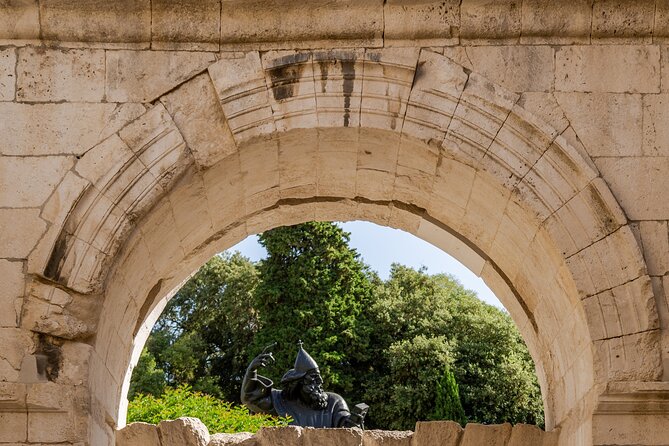
Diocletian’s Palace dates to the turn of the fourth century AD. Calling it a palace can give you the wrong picture: roughly half was intended for the emperor’s personal use, while the rest housed a military garrison. Its scale and defensive character make it closer to a fortified complex than a single royal residence.
That distinction matters when you walk through Split. You are not simply visiting a contained archaeological site, then stepping back into a separate modern city. The palace forms about half of the old town and city center. Its lanes, squares and ancient structures sit alongside buildings from far later periods, creating a place where the past is part of the daily setting.
A guide can help you read this mix. Without context, a narrow street or worn stone wall may look like one more old-town detail. With explanations of how the palace was planned and used, you can begin to see how its military and imperial functions shaped the center around you.
The tour is offered at several times during the day, which is handy if you are fitting Split around other plans. An early start may suit you if you want to walk before the warmest part of an August morning. That timing is a practical choice, not a guarantee of quiet streets; the city’s atmosphere changes with the hour.
More Diocletian Palace tours in Split:
- Split: Old Town and Diocletian Palace Walking Tour
★ 4.9 · 4,727 reviews - Walking Tour of Split and Diocletian’s Palace
★ 5.0 · 2,588 reviews - Split & Diocletian’s Palace Walking Tour
★ 5.0 · 1,125 reviews
Finding the route through the old town
The walk starts at South Tours Travel Agency, at Mrčelina 1, and returns to the same meeting point. That makes the start and finish straightforward, though do check the address before setting off. A small meeting-point mix-up has occurred, so arrive with enough time to locate the agency rather than cutting it close.
The old town is described as a maze, and that is part of the reason a guided walk is useful. You can follow a route through the lanes while your guide supplies the story and points out details you might otherwise pass. The focus is not only on grand Roman remains; the tour also touches on local life and the changing character of the city center.
English is the offered language, and the guide is included in the price. Past guides have included Luka, Sandra and Jelena, but you should not assume you will have one of them on your departure. The most consistent strength of the experience is the human element: explanations that are clear, a friendly manner, time for questions and suggestions about places to visit or shops to browse.
The tour is titled small group, but the stated maximum is 99 people. One group has been about 20, and a private walk has also happened, but group size can vary. If a genuinely intimate group is essential to you, ask the operator about the specific departure before booking.
The Peristyle, the palace’s central square
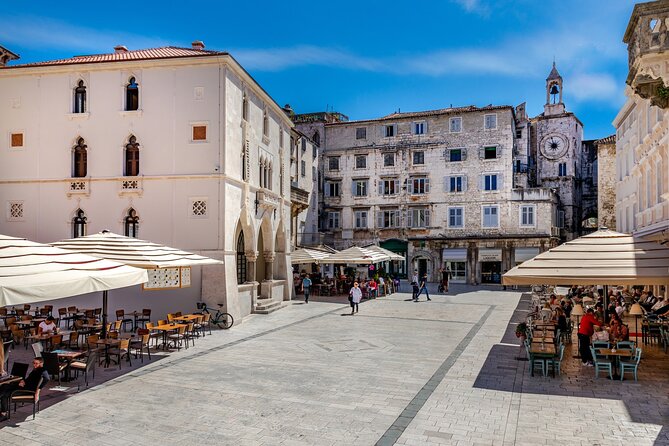
The Peristyle is the palace’s central square and one of the clearest places to understand its ceremonial side. It was intended for Diocletian, who was celebrated as the living son of Jupiter. Its position among the palace’s temples gave it a central role in the imperial setting.
The square’s proportions and unusual acoustics have also made it a stage. Opera classics and works of ancient literature have been performed here, while the space continues to serve as part of the city’s everyday life. That overlap gives the stop more than one layer: it is an ancient ceremonial setting, a performance space and a public square.
The scheduled pause here is about ten minutes. That is enough for an introduction and a look around, but not necessarily enough to absorb every detail or wait for a performance. If the Peristyle catches your attention, make a note to return on your own after the tour and spend longer.
The Vestibule and a monumental entrance
The Vestibule was part of the old imperial court. Its ground plan is rectangular from the outside and circular within, a contrast that gives the structure its distinctive form. Even in a short visit, that change in shape helps you see how the palace used architecture to create a sense of ceremony.
This stop is also brief, around ten minutes. Treat it as a focused explanation rather than a long visit. The guide can help connect the space to the larger palace, while your own time later can be used to look more closely at its form and atmosphere.
More tours in Split:
- Split: Krka Waterfalls Trip with Boat Cruise and Swimming
★ 4.8 · 10,519 reviews - From Split: Krka Waterfalls, Food & Wine Tasting Tour
★ 5.0 · 9,326 reviews - Blue cave, Mamma Mia and Hvar, 5 islands speedboat tour
★ 5.0 · 7,150 reviews - From Split: Krka Waterfalls, Food & Wine Tasting Tour
★ 4.9 · 6,598 reviews
The cellars beneath the palace
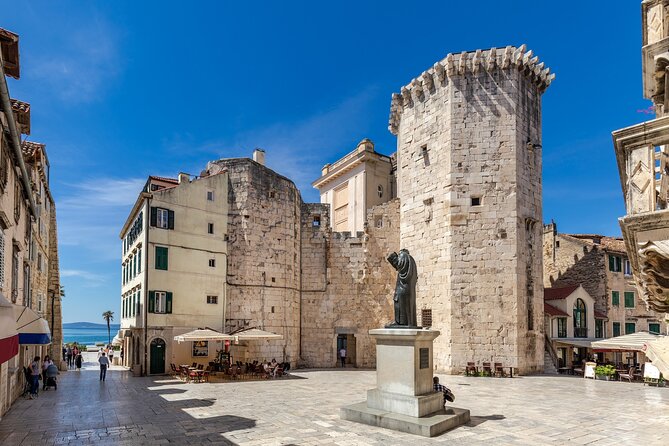
The Diocletian’s Palace substructures are among the best-preserved ancient complexes of their kind in the world. Their preservation is one reason Split’s historic center was added to UNESCO’s World Heritage list in 1979. The cellars are not a side note: they help explain the scale and layout of the structures above.
A guide’s explanation is particularly useful here. A large underground complex can be hard to interpret on your own, especially when you are trying to understand how it relates to the palace overhead. The tour gives you a short orientation, with about ten minutes allocated to this stop.
The itinerary treats the palace stops as having no separate admission charge, while cathedral tickets are specifically excluded. If you want to visit the cathedral as well, budget for that separately. Food and drinks are also not included, so plan to eat before or after the walk rather than expecting a refreshment stop as part of it.
The Golden Gate and the palace’s defenses
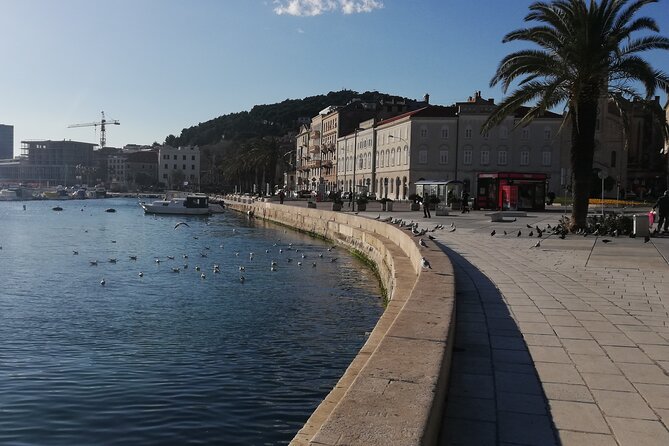
The Golden Gate, known by its Roman name Porta Septemtrionalis, was one of the palace entrances. Diocletian entered the palace through it on June 1, 305. Its rectangular form and double doors were part of a defensive military design called a propugnaculum.
This stop brings the palace’s two identities together. It was an imperial residence, but it also had to protect its occupants. The gate makes that practical side visible in a way that a ceremonial square cannot.
The Golden Gate is another short stop, with about ten minutes set aside. You will get the main historical context, then move on. If gates and defenses are your particular interest, ask questions while you are there; the guide’s explanations are one of the best reasons to choose a walking tour over simply following a map.
What two hours buys you
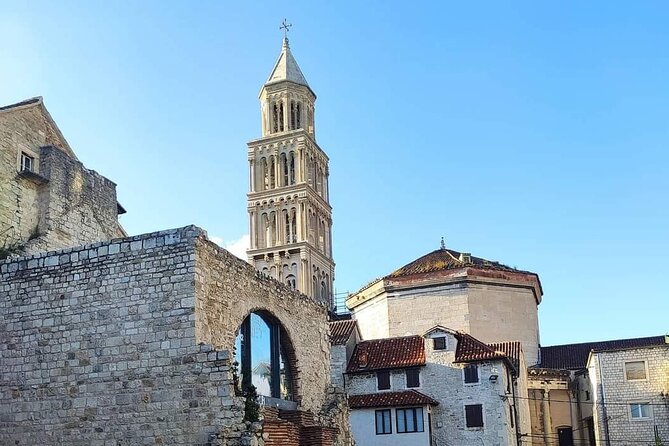
The price is $60.21 per person for an approximately two-hour tour. The value depends on what you want from Split. If you mainly want a quick route through the old town, you can walk the streets independently. If you want a local guide to connect the palace’s military, imperial and civic roles, the fee pays for interpretation as well as company.
The tour’s strongest value is orientation. It covers several key places in a compact window, helping you understand what you are looking at before you explore further. The guides have been singled out for strong historical explanations, an engaging manner and practical suggestions. That combination can make a short introduction more useful than a longer walk without context.
Still, do not expect an exhaustive archaeological visit. The palace complex is extensive, and the two-hour format gives each named stop a limited amount of time. The first itinerary entry describes a broader walk through the palace and old town, while later stops identify specific landmarks, so the listed time for each stop should not be added together as though they were separate tours.
The tour is most useful near the start of your Split stay. You can get a mental map, learn the basic story and then choose where to return. It also works for a short visit when you want a guided overview without committing a whole day.
Who should book this walk

I would consider this tour if you want an English-speaking guide, a clear introduction to the old town and a chance to ask questions as you go. It suits first-time visitors who want context for the palace, as well as anyone who enjoys hearing how a place functions for local people today.
It may be less suitable if you prefer to explore at your own pace, spend a long time at each landmark or avoid group walks. The tour has several departure times, but its maximum group size is 99, so the experience may not always feel intimate. A group of around 20 or a private walk has happened, but you cannot count on either.
The walk calls for moderate physical fitness. The supplied details do not specify a route length or step count, so if those details matter to you, ask the operator before booking. Bring what you need for a walking tour, and plan separate time for the cathedral, food and drinks.
You can cancel for a full refund up to 24 hours before the start time. Changes or cancellations made less than 24 hours before the tour are not accepted for a refund, and the cutoff follows local time.
Should you book it?
Book this tour if you want the palace explained, not just photographed. The Peristyle, Vestibule, cellars and Golden Gate offer a useful cross-section of the site, while a local guide can connect those landmarks to Split’s streets and daily life.
Skip it if you want a private, unhurried visit and have no interest in a group format. For most people looking for a compact introduction, the two-hour walk is a sensible use of time, provided you treat it as a starting point and leave yourself room to explore more afterward.
FAQ
How long is the tour?
The tour lasts approximately two hours.
What is the price?
The listed price is $60.21 per person.
What language is the tour offered in?
The tour is offered in English.
Where does the tour start?
It starts at South Tours Travel Agency, Mrčelina 1, 21000 Split, Croatia.
Where does the tour end?
It ends back at the meeting point, South Tours Travel Agency.
Are food and drinks included?
No. Food and drinks are not included.
Are cathedral tickets included?
No. Tickets for the cathedral are not included.
What is the maximum group size?
The stated maximum is 99 people. Group sizes can vary.
Can I cancel for a refund?
Yes. You can cancel at least 24 hours before the start time for a full refund. Cancellations made less than 24 hours before the start time are not refunded.
Just reviewed in Split
- Split City Walking Tour★ 5.0 · 5 reviews
- Split City Electric Bike Tour★ 5.0 · 68 reviews
- Split Cooking Class – Afternoon Edition Shared Activity★ 5.0 · 8 reviews
- Marjan Park & Split City Bike Tour★ 5.0 · 51 reviews
- Split: Blue Lagoon & 3 Islands Speedboat Tour – Small group★ 4.5 · 46 reviews
- Split Quest Experience: Discover the City★ 3.5 · 5 reviews
- Split: Blue Lagoon, Hvar, Brač, 6 Islands Boat Tour – Small Group★ 5.0 · 57 reviews
- Private transfer Split Airport to Split★ 5.0 · 28 reviews
Diocletian Palace Tours, compared.
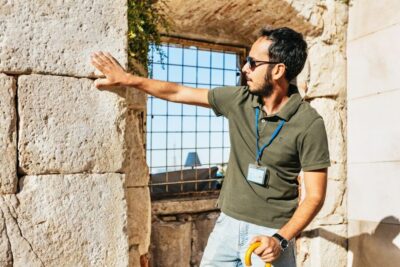
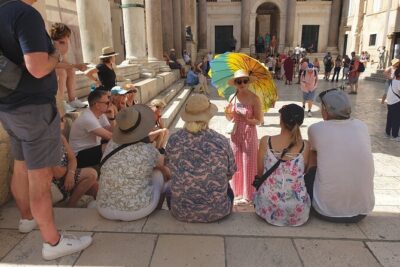
Walking Tour of Split and Diocletian’s Palace
Read our review →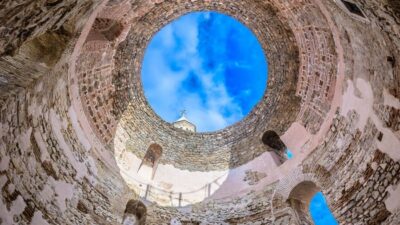
Game of Thrones Tour with Diocletian’s Palace Cellar
Read our review →
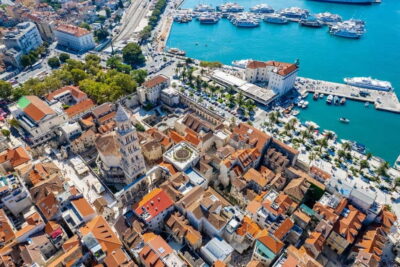
Game of Thrones Small group Tour with Diocletian’s Cellar
Read our review →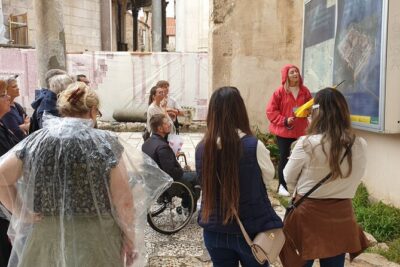
History & Cultural Walking Tour of Split and Diocletian’s Palace
Read our review →Browse the lists this tour appears in