
Review · HVAR TOURS
Back to the Roots – Ancient Island Interactive Experience
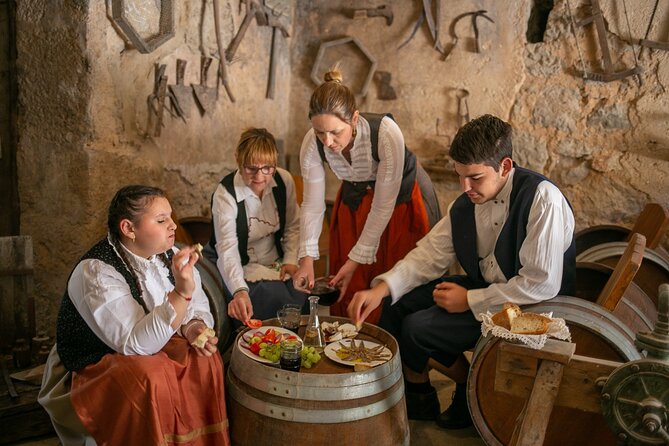
On Hvar, this visit takes you into a family’s old stone home to try the work that once filled an island day. You can grind grain, handle a fisherman’s net, learn how grapes were pressed, and finish with traditional foods made from local ingredients. It is less a museum stop than a chance to see, touch, and taste everyday rural life.
I like two things in particular: you take part rather than just watch, and the food connects the old skills to what is grown and made on the property. One consideration is the price: at $155.33 per person, this is a significant spend for an experience listed at about 75 minutes, so it makes the most sense if you value a private, personal introduction to Hvar’s past.
What to know before you go
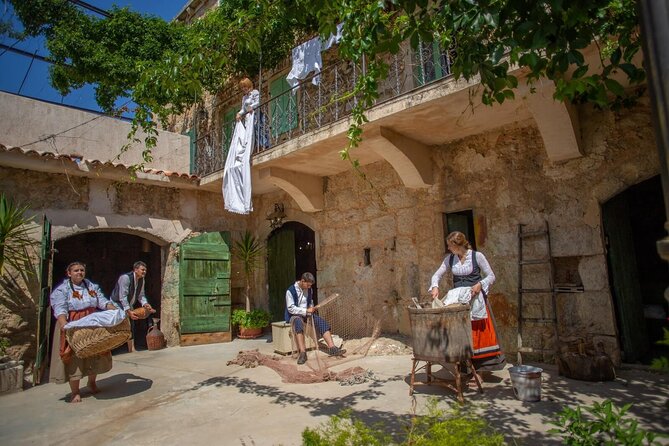
- Try the work yourself: Grind wheat, learn about grape pressing, mend a net, salt fish, and see how embers were once used to iron clothes.
- Taste Hvar’s rural pantry: Warm bread with olive oil, sardines with garden vegetables, a farmer-and-fisherman lunch, and paprenjok cookies are part of the experience.
- Meet a local family: The hosts share their ancestral home and family stories, making the visit personal rather than museum-like.
- Go to Vrisnik: The meeting point is in the village, and the activity ends back there.
- Expect a private visit in English: Only your group participates, and the advertised duration is about 1 hour and 15 minutes.
A family home that works like a living museum
Terra Arhaica is in Vrisnik, a village on Hvar, where the experience centers on a family home that has been part of the family for generations. The hosts, including Lana and Magdalena, bring old tools and domestic routines into the conversation. Some accounts also name Jaksa or Jacob among the hosts. The point is not to walk past objects behind glass. You are invited to handle equipment and try the kinds of tasks that shaped daily life.
That distinction matters. A display can tell you what a tool was called; trying it helps you understand what it demanded. Grinding grain, working with a net, or preparing food by hand makes the old routines feel less quaint and more like serious labor.
The family’s stories give the house its meaning. The home is described as roughly 150 years old, and the hosts connect its rooms, practices, and objects with the lives of parents and grandparents. You get a view of rural Hvar through one family’s experience, not a claim to explain every household on the island.
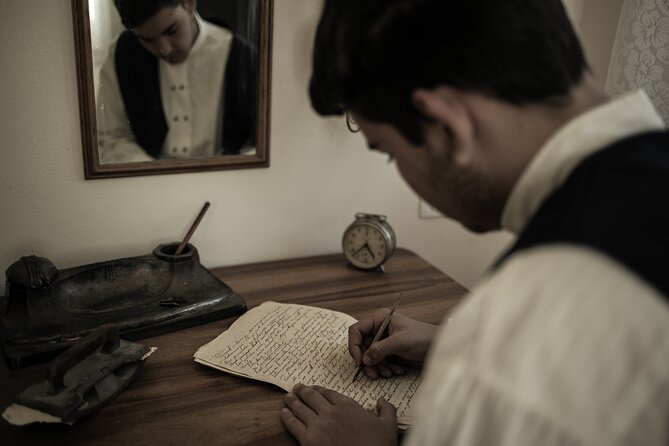
The hosts wear traditional clothing, and the visit is built around conversation and demonstrations. If you enjoy local history best when it comes with people, food, and a chance to try things, this format should suit you. If you prefer a formal, chronological museum tour, the informal, hands-on approach may feel less structured.
Other tours people book in Hvar:
- Blue Cave & Vis Island speedboat tour from Hvar
★ 5.0 · 890 reviews - From Hvar: Vis Island and Blue Cave Speedboat Tour
★ 4.8 · 773 reviews - Blue Cave and Pakleni Islands group Tour from Hvar
★ 5.0 · 490 reviews
Grinding grain, tending the fire, and doing the work
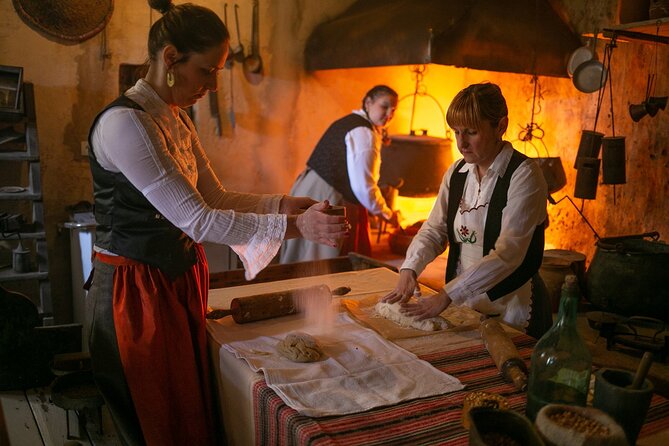
The activity introduces several tasks that once belonged to ordinary household and farm life. You can grind wheat yourself and learn how bread was made under the peka, a traditional way of cooking beneath a covered vessel. The practical lesson is simple: bread was not just a recipe. It began with processing grain, then depended on the fire and the person tending it.
You’ll also hear about the role of the fireplace. Fire meant cooking and warmth, and its daily use shaped the rhythm of home life. The supplied description does not promise a full cooking class or that you will make a loaf from start to finish, so think of the bread-making segment as a demonstration with hands-on elements, not a long baking workshop.
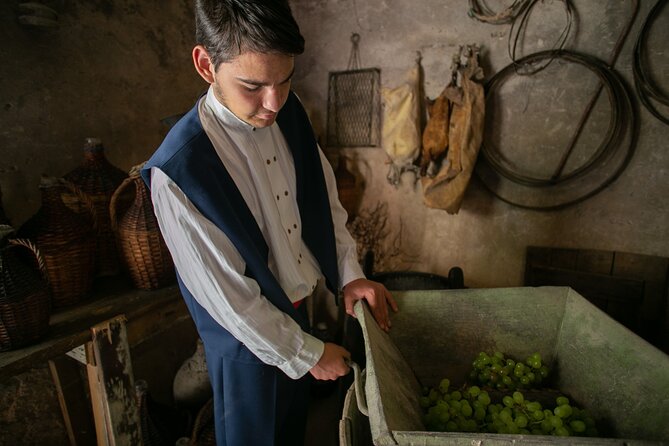
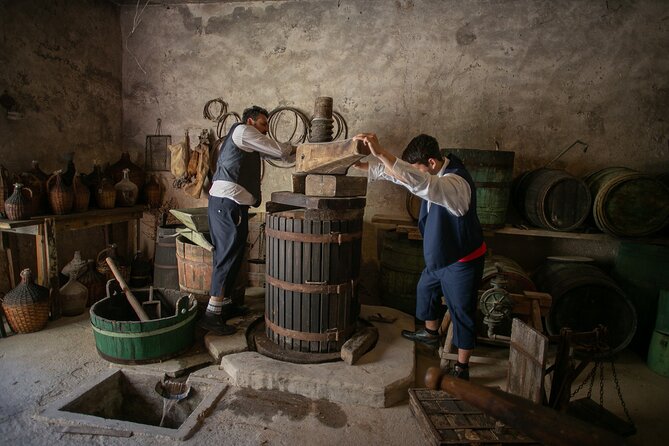
Grapes and wine offer another look at work behind a familiar island product. You can learn how grapes were pressed and how juice became wine, using traditional tools. The activity is about the process and the labor involved, rather than a dedicated wine tasting.
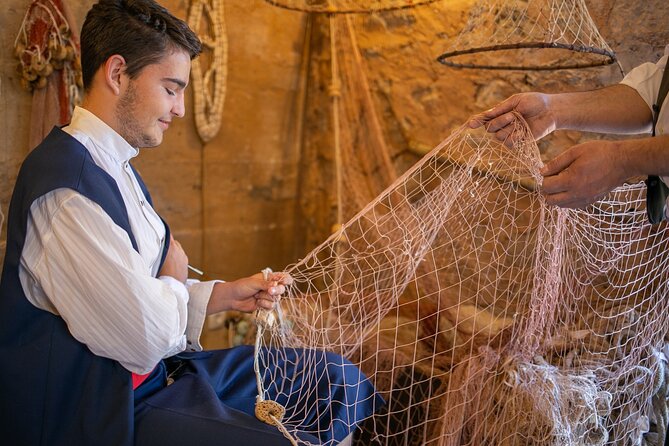
The fishing tasks add another side of island life. You’ll become familiar with the tools used to mend a net and learn how fish was salted. These are small, tactile lessons, but they help connect food on the table with the work that came before it. The mix of farming and fishing is the heart of the visit: island life drew on both land and sea.
There are other crafts and chores to discover, too. The hosts explain how figs were dried, demonstrate weaving a scarf or bracelet, and introduce the cooper’s craft, the making and repair of wooden barrels. You can also learn how clothes were ironed with embers. The program covers many topics in a short time, so expect a sampler rather than a chance to master every skill.
The meal is part of the lesson
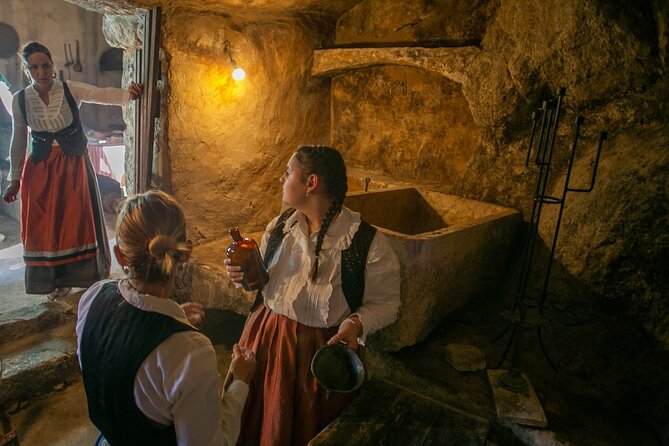
Food is not an afterthought here. The planned tasting brings together products and methods tied to the home and garden. You scoop olive oil from a stone vessel and taste it with fresh, warm bread. That pairing makes a useful point: a few simple ingredients can be a meal when they are good and handled with care.
You’ll also mix salted sardines with fresh tomatoes and zucchini picked from the garden. It is a direct link between preserving food and eating what is in season. The stated menu includes a combination of a farmer’s and fisherman’s lunch, which echoes the two strands of work explored during the visit.
Paprenjok, a traditional Croatian cookie, rounds out the tasting. You are invited to learn about its secret recipe. Another account of the experience describes making and decorating cookie designs, as well as tasting several traditional cookies, but the precise activities and menu can vary. If cookie-making is a priority, ask the operator what is included on your date.
The food portions and exact menu are not specified, so I would not book this as a substitute for a full restaurant meal without checking. Some descriptions of visits at the property include a more substantial spread, with starters, a main course, desserts, and after-dinner drinks. The experience offered here is presented as a 75-minute interactive visit with tastings, so confirm what your booking includes if you expect a full lunch or dinner.
A private visit with room for questions
This is a private activity, so only your group takes part. That can be a real advantage in a home-based experience: you can ask questions, take your time with a tool, and follow a topic that interests you instead of keeping pace with a large tour group. It also means the price is per person for a private visit, not a low-cost shared group outing.
English is offered, which makes the explanations accessible to English-speaking visitors. The family’s enthusiasm for passing on local practices is central to the visit, and the format appears to depend on conversation as much as demonstration. You are not simply watching a staged performance; you are being welcomed into a family setting and shown how its history connects with everyday life.
Families with children may find the hands-on approach more engaging than a standard history stop. Children aged 10 and 12 have taken part, and the activities offer concrete things to try, from grinding grain to handling net-mending tools. That does not guarantee every child will enjoy each part, but the experience has more variety than a talk alone.
The published duration is approximately 75 minutes. Some visits to Terra Arhaica have been described as a relaxed afternoon or as including a meal, so the time on site may not always feel like a tightly timed demonstration. Still, plan around the stated length and check directly if you need to coordinate it with another activity.
Same coast, a different kind of day:
- From Hvar: Blue and Green Cave Day Tour
★ 4.3 · 479 reviews - Boat Tour at Delfina Hvar
★ 5.0 · 243 reviews - Blue cave group tour with swimming and snorkelling from Hvar
★ 5.0 · 227 reviews - BLUE CAVE & 5 islands tour from Hvar
★ 4.5 · 224 reviews
Is $155.33 a fair price?
At $155.33 per person, this is not a casual add-on for everyone. The value comes from the private format, the family’s access to its ancestral home, the chance to try several traditional tasks, and the food tasting. You are paying for a personal cultural experience, not just for the ingredients or a short lesson in bread-making.
The price is easier to justify if you are especially interested in food traditions, local history, or family-run experiences. It may also suit you if you want a meaningful stop between other Hvar activities and would rather meet local hosts than spend another hour in a tasting room. A handful of well-chosen demonstrations can teach more about past routines than a long list of dates.
It is harder to justify if you are looking mainly for a full meal, a long cooking class, or a broad survey of Hvar history. The listed duration is short, and the number of subjects is large. You will get a taste of several crafts and practices, not a full lesson in each one.
The experience has a 5.0 rating from 9 reviews. That is a small sample, but the consistently praised points are clear: warm hospitality, a family setting, hands-on history, and food made with local ingredients. Those are exactly the areas where this visit offers its strongest value.
Getting to Vrisnik and planning the visit
The meeting point is listed at 5M32+9F Vrisnik, Croatia, and the activity ends back at the same location. Vrisnik is not the port itself, so plan how you will reach the village before choosing a time. One account describes the property as about 30 minutes by car from the port, but travel time can depend on your starting point and conditions.
The ticket is mobile, and the activity is offered in English. Confirmation is received within 48 hours of booking, subject to availability. Service animals are allowed.
Free cancellation is available until 24 hours before the start time for a full refund. Changes or cancellations made within 24 hours are not accepted for a refund, and the cut-off follows local time. Since the experience is private and confirmation is subject to availability, leave a little room in your schedule rather than building a tight chain of plans around it.
Who should book this Hvar experience?
I would put this high on the list if you want to understand Hvar through its domestic skills and food, rather than only through beaches, wine, or historic town streets. It is especially well suited to curious eaters, families with older children, and visitors who enjoy meeting the people behind a local tradition.
You should also be comfortable with an experience that moves across several subjects. In about 75 minutes, you may hear about bread, wine, fishing, preserving, weaving, barrel-making, and household work. That breadth is appealing if you like a lively sampler; it is less suitable if you want to spend an hour perfecting one recipe.
I’d book if the private family setting and hands-on history are worth the price to you, and if you can get to Vrisnik without a scramble. Before paying, confirm the meal details if you need a full lunch, and check the timing if your day is tightly planned. If those points fit, Terra Arhaica offers a memorable way to see how much thought and effort went into an ordinary meal on Hvar.
FAQ
How long does the experience last?
The approximate duration is 1 hour and 15 minutes.
Where does the activity take place?
It takes place in Vrisnik, Croatia, at the meeting point listed as 5M32+9F Vrisnik. The activity ends at the same location.
Is the tour private?
Yes. Only your group participates.
What language is offered?
The experience is offered in English.
What activities can I try?
You can grind wheat, learn about grape pressing, handle tools for mending a fisherman’s net, salt fish, and learn about traditional weaving, fig drying, cooper’s craft, and ironing with embers.
What food is included?
The tasting includes warm bread with olive oil, sardines with fresh tomatoes and zucchini from the garden, a farmer-and-fisherman lunch combination, and a traditional paprenjok cookie.
How much does the experience cost?
The listed price is $155.33 per person.
Can I cancel for a refund?
You can cancel at least 24 hours before the start time for a full refund. Cancellations or changes made less than 24 hours before the start time are not accepted for a refund.
Just reviewed in Hvar
- Wine Lovers tour from Hvar★ 5.0 · 5 reviews
- Tuk Tuk Sightseeing Tour of Hvar★ 5.0 · 68 reviews
- Private Hvar Wine Tasting Tour★ 5.0 · 35 reviews
- Jewels of Hvar – Private Walking Tour★ 4.5 · 6 reviews
- Private Speed Boat Tour of Hvar South Shore & Pakleni islands★ 5.0 · 20 reviews
- Water Taxi Ride from Hvar to Split Airport★ 5.0 · 5 reviews
- Speedboat transfer from Hvar town (Water taxi transfer) to Airport Split★ 5.0 · 4 reviews
- Sunset Sailing Tour on the Pakleni Islands★ 5.0 · 10 reviews
Hvar Tours, compared.
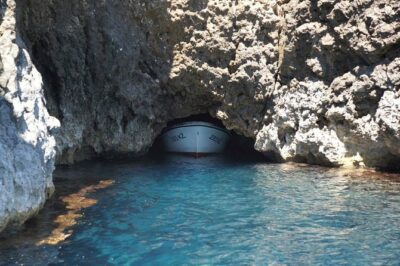
Blue Cave & Vis Island speedboat tour from Hvar
Read our review →
Blue Cave and Pakleni Islands group Tour from Hvar
Read our review →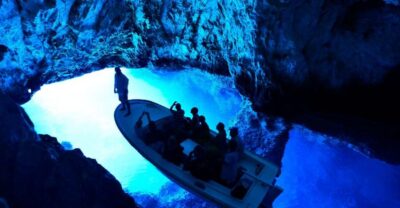
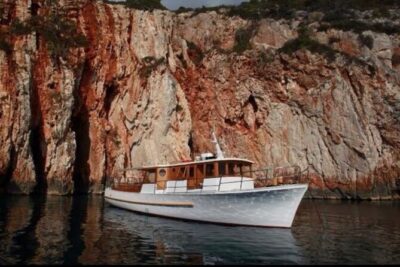

Blue cave group tour with swimming and snorkelling from Hvar
Read our review →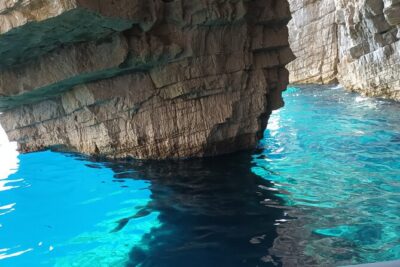
Half Day Sailing on a comfort yacht around Hvar and Pakleni islands- small group
Read our review →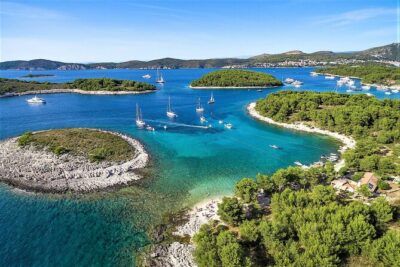
Private Tour of Red rocks, Pakleni Islands and Hvar’s Southern Beaches
Read our review →Browse the lists this tour appears in