
Review · SPLIT WALKING TOURS
Šibenik: Medieval Night Walking Tour
Šibenik’s old town changes character after dark. On this one-hour walk, you follow steep lanes and covered passages past medieval churches, a cistern, and the great St James Cathedral, while stories bring the shadowy streets to life.
I like two things in particular: the tour connects familiar sights to local customs and odd details, from the Pillar of Shame to the city’s 72 bells, and it takes place in the cooler evening hours. Guide Dario Mikulandra is praised for his engaging manner, strong English, and clear enthusiasm for Šibenik.
The trade-off is that an hour goes quickly, and this is an outdoor history walk rather than a church or museum tour. You’ll hear about the cathedral and see key sites from outside, but the tour includes no church or museum admission.
- St James Cathedral after dark: Hear why its construction mattered to Šibenik and what light meant in its design.
- The Four Wells cistern: Learn how the medieval town collected and stored water.
- Old-town lanes and stairs: Walk streets more than 600 years old, including the oldest street in the city.
- Local stories with a darker edge: Hear about the plague of 1649, the Pillar of Shame, and nuns praying for the city.
- A guide with local ties: Dario Mikulandra leads the walk and is associated with one of Šibenik’s medieval brotherhoods.
- A simple one-hour plan: Start and finish at the cathedral, with no museum or church admission included.
Šibenik’s lanes feel different after sunset
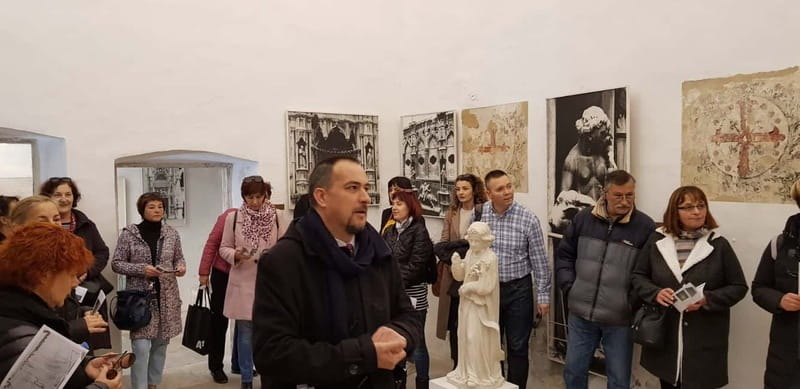
The appeal here is not just seeing famous buildings at night. It is walking through a town whose narrow streets, stairs, tunnels, and covered passages make more sense when you hear how people once moved through them. Some of these lanes are more than 600 years old, and the tour puts their tight turns and uneven levels into a story of everyday medieval life.
Šibenik is said to hide more than 30 churches within its old town. You will not visit them all in an hour, of course, but that number helps explain why sacred buildings appear so often in the city’s street plan and local stories. The walk gives you a sense of how closely religious life and civic life were woven together.
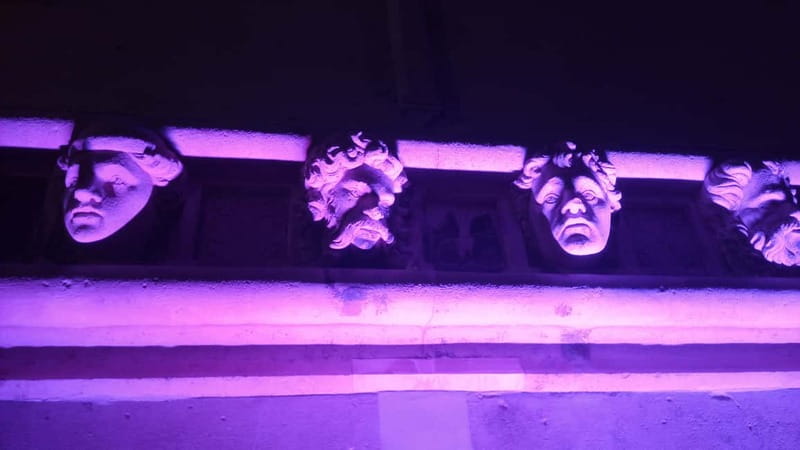
The dark is part of the subject, not just a backdrop. The streets were not lit during the Middle Ages, and your guide uses that contrast to discuss what light meant to the people who built the cathedral. Expect an evening stroll with plenty of stops and stories, not a fast march from one landmark to the next.
Starting at the west portal of St James Cathedral
Meet at the cathedral’s main entrance portal, on the west side, opposite the statue of sculptor Juraj Dalmatinac. Do not confuse it with the cathedral doors with the lions. The meeting point is specific, so it is worth checking the portal and statue before you set off.
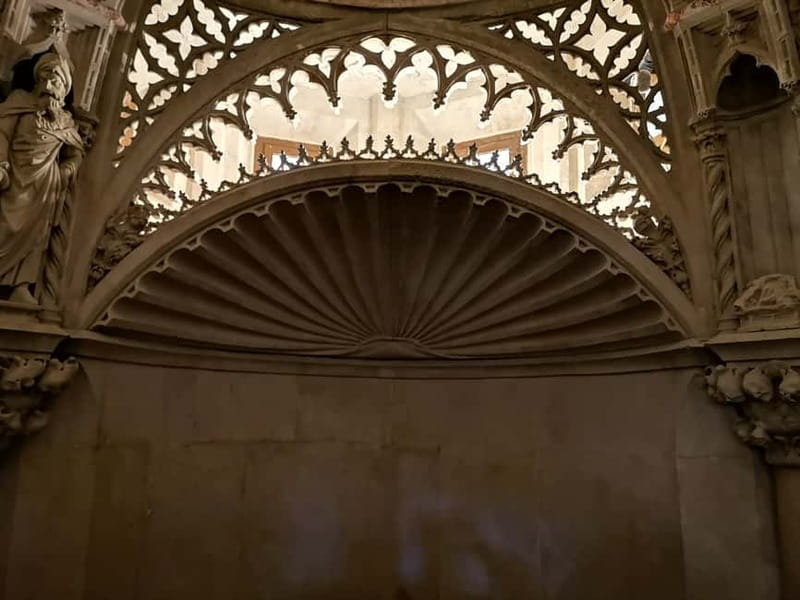
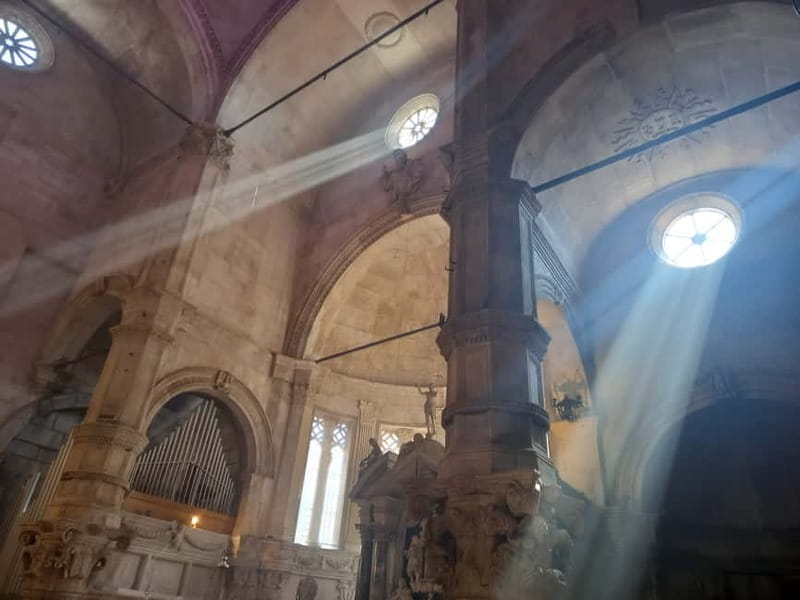
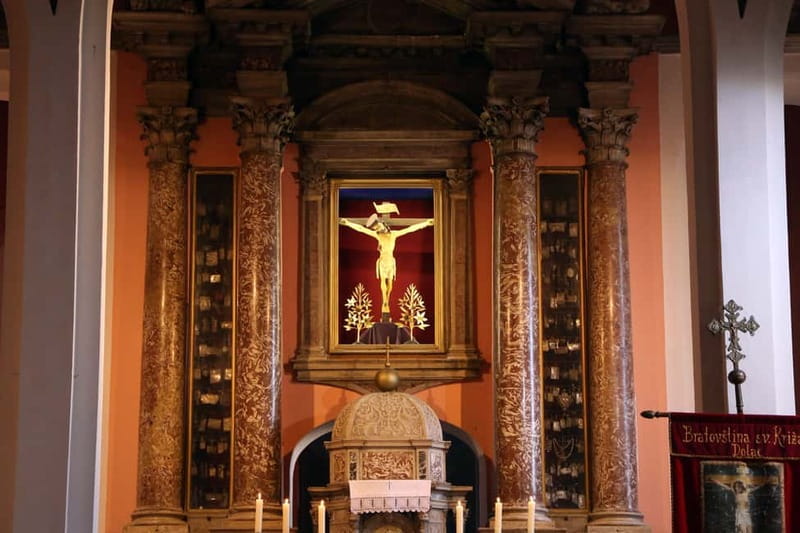
The cathedral is the natural opening act. Your guide tells the story of its construction and what the building represented to the people of Šibenik. You’ll also hear whether it was built over a long period or at remarkable speed, and how its design used light. Those questions help turn an impressive stone facade into a civic project with meaning for the people who made it.
This stop is about interpretation, not an interior visit. The tour runs at night, and church and museum entry fees are not included. If seeing the cathedral’s interior or the city museum matters to you, plan a separate visit during opening hours. One tour participant returned the next morning to revisit the cathedral and St Lawrence’s medieval gardens, a sensible way to make the evening walk a first look rather than your only look.
More walking tours in Sibenik:
- Private Sibenik Walking Historical Morning or Evening Tour
★ 5.0 · 93 reviews - Sibenik: Guided Evening Walking Tour
★ 4.9 · 62 reviews - From Sibenik: Private Walking Sibenik Sightseeing Tour
★ 4.9 · 15 reviews
The Four Wells and Šibenik’s water supply
The medieval cistern known as the Four Wells is one of the tour’s most practical stops. Water storage was essential in a walled town, and the guide explains what the cistern looked like inside and how people collected water. It is an unusually tangible subject: rather than hearing only about rulers and church builders, you get a glimpse of the systems that supported daily life.
The cistern also suits the night-tour format. In a dim street, a water structure can feel less like a piece of old infrastructure and more like part of the town’s working memory. You’ll hear about how the city lived with limited resources, and why a reliable water supply mattered.
Do not expect a long technical visit or a full museum-style display. The walk is short, and the value lies in the explanation and setting. If you enjoy the practical side of history, this stop may be one of the most memorable parts of the route.
The oldest street, covered passages, and steep stairs

From the cathedral area, the walk moves through the old town’s tight lanes and stairways, including its oldest street. The route also takes in tunnels and covered passages, features that can be easy to pass without noticing when you are exploring on your own. With a guide, each turn becomes a clue to how the medieval town was built and used.
The stairs are part of the experience, not a surprise to be discovered halfway through. Šibenik is a medieval town of many steps, and the route through its narrow streets may feel more demanding than the one-hour duration suggests. Take your time and wear shoes suited to walking on old streets. The supplied tour details do not specify a full accessibility profile, so anyone who needs step-free access should ask before booking.
You’ll also hear how houses were built within the old city core, where people escaped from a medieval fair, and where the Pillar of Shame once stood. These are compact stories, but they add texture to the stones around you. The town is not presented as a tidy monument; it comes across as a place where people worked, prayed, traded, and sometimes got into trouble.
St Lawrence, a cave, and the city’s religious life
The tour visits the area around the monastery of St Lawrence, beside a cave in the old town. That pairing is unusual enough to make this stretch worth watching for: a monastery, a garden, and a cave sit within the dense medieval core. The walk also introduces the city’s many churches and the role of convents, including stories of nuns praying for Šibenik in darkened monasteries.
The medieval gardens of St Lawrence are a good reason to return in daylight if you have time. At night, the tour can introduce the place and its story, while a later visit may let you look more closely at the garden itself. The tour does not include museum or church admission, so do not assume you will enter every religious site on the route.
Another stop is a chapel associated with Šibenik’s first doctor, dating to 1419. It is a small detail with a useful human scale: medieval history is not only cathedrals and city walls, but also the people who cared for the sick. Your guide connects these sites to customs and beliefs that shaped daily life.
More evening outings in Sibenik:
- Sunset Sea Private Kayaking in Vodice
★ 5.0 · 11 reviews - Daily or night walking tour through Medieval Šibenik
★ 4.5 · 6 reviews - Kayaking Sunset Tour
★ 5.0 · 4 reviews - Split: Illuminated Evening Guided Kayaking Tour
★ 4.8 · 1,622 reviews
Bells, plague, and customs that still raise questions
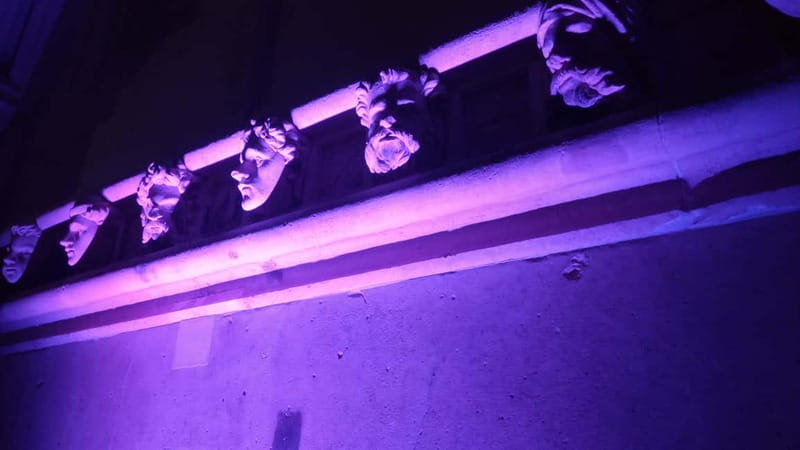
Dario’s stories range beyond the buildings. You’ll hear why Šibenik has a local custom against weddings in May, how the plague nearly destroyed the city in 1649, and what happened at midnight on December 17, when all 72 of the city’s bells rang. These details give the walk its character: it mixes major events with the curious habits people remember.
The plague story offers a sober counterweight to the picturesque lanes. In 1649, disease threatened the city on a scale that nearly wiped it out. The tour connects that crisis to Šibenik’s past without turning the walk into a lecture, making the consequences easier to picture in the streets where people lived.
The bells and the May wedding custom are the sort of stories you might miss in a guidebook focused on dates and architecture. They also make good questions to carry into the rest of your stay. Ask your guide for context if a custom or story catches your attention; Dario is described as engaging and willing to answer questions.
One lamp marks the town’s move into modern life
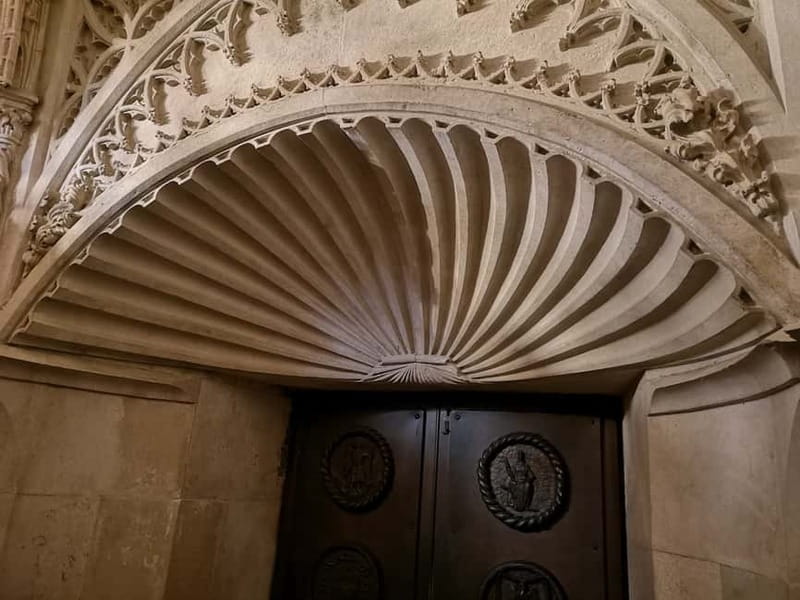
The tour also points out Šibenik’s first public lighting lamp, installed in 1895. After hearing about streets that were dark in the Middle Ages, this detail gives you a clear marker of how much the town changed over time. It is a modest object compared with the cathedral, but it brings the walk’s central theme into focus: darkness was once a normal condition of city life.
The contrast can make you look at the old streets differently. The tour does not simply tell you to imagine medieval night; it sets that past beside the arrival of public lighting and the town you see today. The result is a walk that links architecture, technology, religion, and daily routine without needing a long timeline.
What the $49 price buys you
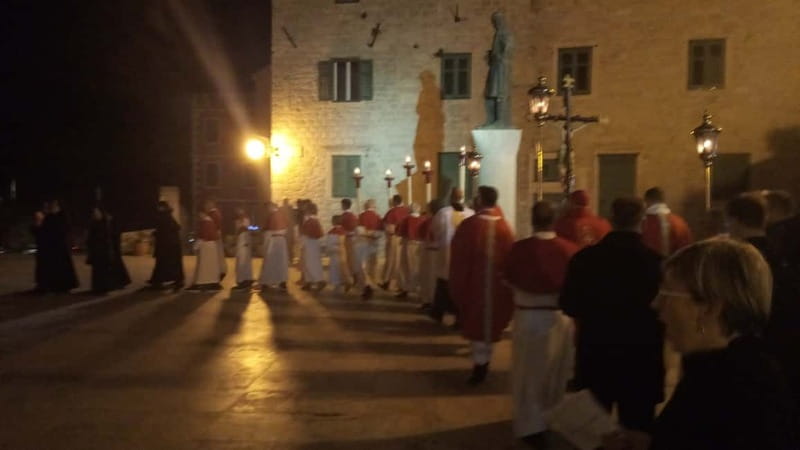
At $49 per person, this is a short guided experience, so the value rests on the guide and the stories rather than the number of hours or paid admissions. You get a professional guide, a route through several distinctive parts of the old town, and city maps and brochures in your language. There are no church or museum entrance fees included, because this is a night walk.
I’d consider the price worthwhile if you want context and local stories on your first evening in Šibenik. The guide helps you notice places you might otherwise walk past, and the evening timing is useful in warmer weather. One family with two young children enjoyed the walk, and another participant appreciated getting out of the daytime heat. Still, if you prefer to explore independently or want long interior visits, you may get better value from a different activity.
The tour lasts one hour, with starting times that vary by availability. It is offered in English, Croatian, and Serbo-Croatian. You can cancel up to 24 hours in advance for a full refund, and the reserve-now, pay-later option keeps plans flexible. If hotel pickup is needed, the guide can wait at your hotel reception; otherwise, meet at the cathedral portal.
Is the Medieval Night Walking Tour right for you?
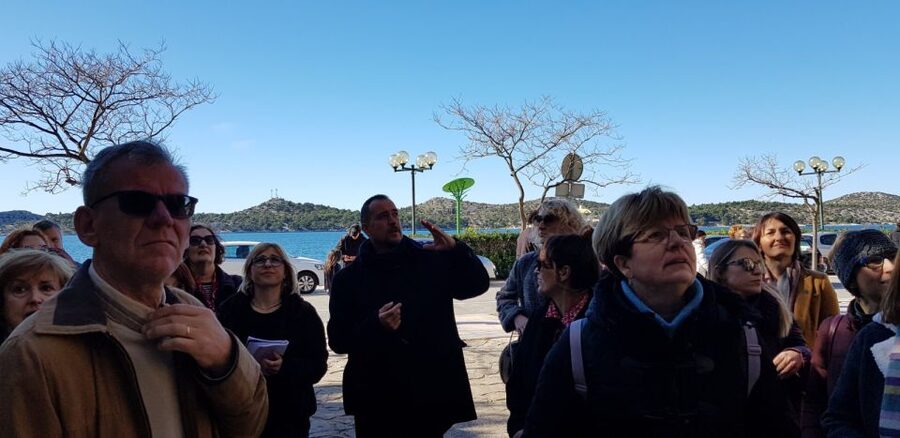
Book this walk if you want a compact introduction to Šibenik that goes beyond the cathedral’s facade. It suits history-minded visitors, couples, and families who can manage old-town stairs and enjoy stories about customs, religious life, and practical medieval problems. The strongest reason to go is Dario Mikulandra: his enthusiasm, clear English, humor, and grasp of local history are repeatedly praised.
Skip it if your priority is entering churches and museums, covering the city at your own pace, or spending a long time at each site. An hour is enough to get oriented and hear a memorable set of stories, but not enough to see everything in depth. I’d use it as an evening introduction, then revisit the cathedral, St Lawrence area, or city museum in daylight if one of the stops catches your interest.
FAQ
How long is the Šibenik Medieval Night Walking Tour?
The tour lasts one hour.
Where does the tour start?
Meet at the cathedral’s main entrance portal on the west side, opposite the statue of sculptor Juraj Dalmatinac. It is not the cathedral doors with the lions.
Where does the tour end?
It ends back at the meeting point in front of the cathedral.
Which languages are available?
The tour is offered in English, Croatian, and Serbo-Croatian.
Is the cathedral interior included?
No. The tour includes a story about the cathedral and its construction, but church and museum entrance fees are not included.
Does the walk visit the medieval cistern?
Yes. The route includes the medieval Four Wells cistern, where the guide explains how water was collected and what the cistern looked like inside.
What other places are included?
The tour includes the cathedral square, the oldest street in the city, the St Lawrence monastery area, the town’s crafts, the chapel of Šibenik’s first doctor from 1419, the Pillar of Shame, and other old-town sites.
Is hotel pickup available?
If hotel pickup is necessary, the guide can wait for you at the reception of your hotel.
Can I cancel for a refund?
Yes. You can cancel up to 24 hours in advance for a full refund.
Just reviewed in Sibenik
- Krka National Park & Zipline Šibenik – Čikola Canyon★ 5.0 · 3 reviews
- Exploring Vodice on Two Wheels★ 5.0 · 5 reviews
- Zipline Šibenik★ 5.0 · 3 reviews
- Šibenik Riviera boat tour: Zlarin + Prvić + Tijat★ 4.5 · 71 reviews
- Kayaking to the island Prvić★ 5.0 · 31 reviews
- The Best of Sibenik Private Walking Tour★ 5.0 · 13 reviews
- Via Ferrata tour – Čikola Canyon★ 5.0 · 20 reviews
- Zipline Šibenik – Čikola Canyon★ 5.0 · 48 reviews
Split Walking Tours, compared.
Walking Tour of Split and Diocletian’s Palace
Read our review →
Krka Waterfalls tour with Trogir Walking tour and Krka panoramic boat cruise
Read our review →
Walking Tour of Split with a ‘Magister’ of History
Read our review →
PREMIUM Emperor’s Walking Tour for History Lovers + Museum
Read our review →
Browse the lists this tour appears in